Skip to:

How to Create the Best Skincare Routine for Oily Skin
Oily skin is often misunderstood, with many seeing it as a challenge. However, it's important to recognize that oily skin is not inherently problematic. Every skin type possesses unique qualities, and oily skin is no exception. The key lies in understanding and working with your skin to achieve a balanced and healthy-looking complexion.
Discovering the ideal skincare routine for oily skin can feel like a journey, but it's one that leads to balanced, healthy-looking skin. Many of us experience oily skin, and understanding its unique needs is the first step towards embracing its natural radiance. This guide will empower you with expert tips and product recommendations to manage shine, minimize pores, and maintain optimal hydration, ensuring your oily skin feels fresh and confident every day.
Key Takeaways for Oily Skin Care:
- Embrace Your Skin: Oily skin has natural advantages, often appearing nourished with less noticeable fine lines. The goal is balance, not elimination.
- Targeted Ingredients: Look for ingredients like Witch Hazel, Zinc, and Niacinamide (Vitamin B3) to help regulate oil production and support skin health.
- Consistent Daily Routine: A gentle cleansing, serum application, and light hydration are crucial steps to manage oil and prevent overproduction.
- Weekly Deep Clean: Incorporate a gentle pore scrub and a purifying sheet mask a couple of times a week for clearer, refreshed skin.
- Understand the Causes: Oily skin can be influenced by genetics, hormones, harsh products, or weather. Identifying your triggers helps in effective management.
- Hydration is Key: Never skip moisturizer, even with oily skin. Dehydration can trigger increased oil production, so choose light, hydrating formulas.
The Simple Approach : Balanced Oily Skin is Beautiful Skin
Oily skin is wonderful skin. The secret to its care is finding a skincare routine that effectively reduces excess oil while ensuring your skin remains perfectly hydrated.
In fact, having oily skin can sometimes be a real advantage. It often means your skin looks naturally nourished, and fine lines (if you have any) may appear less noticeable. Embracing your oily skin and learning how to care for it through a tailored skincare routine will help you feel more in control and empowered.
Let's explore more about oily skin and the best products to integrate into your skincare regimen.
Understanding Oily Skin
Oily skin occurs when sebaceous glands become overstimulated, leading to increased oil production. This can result in a shiny complexion and may contribute to clogged pores, which can sometimes lead to breakouts.
There's a distinction between temporarily oily skin and having an oily skin type. Your skin can become temporarily oily due to factors like weather, hormonal fluctuations, or even stress. However, an oily skin type is a more consistent characteristic, which can be further influenced by these factors.
Combination skin shares some traits with oily skin, such as a shiny T-zone, but it often features dry areas elsewhere on the face.
A common way to assess if you have an oily skin type is to gently cleanse your face, wait about thirty minutes, and then lightly dab with blotting paper to see if oil is already present.
Signs you might have an oily skin type include:
- Skin that generally appears shiny and feels oily to the touch, not just in specific areas.
- Enlarged or visibly open pores.
- A tendency towards breakouts, potentially on both your face and body.
What Factors Contribute to Oily Skin?
Several reasons can contribute to oily skin, and understanding these can help you manage it effectively. Often, it's a combination of factors, and for many, it's simply their natural skin type.
Some primary factors include:
- Genetics: You might have inherited an oily skin type.
- Hormones: Imbalances in hormones can significantly influence excess oil production.
- Skincare Products: Certain harsh ingredients in skincare products can inadvertently stimulate your oil glands.
- Weather: High humidity and warm weather can accelerate oil production, which is something to consider, especially during warmer months.
Can Oily Skin Appear Dull?
Surprisingly, yes, it can. While oily skin often has the advantage of not looking dry, environmental stressors like pollution and blue light can still diminish its natural radiance, leaving it looking less vibrant than you'd prefer.
How to Balance Oily Skin Effectively
Managing oily skin often depends on its underlying cause. If hormonal imbalances are a factor, consulting a doctor might be beneficial. If you notice increased oiliness after using a new product, it could be time to switch to a more suitable option.
For many, oily skin is a consistent characteristic. Therefore, focusing on regulating oil production and maintaining optimal moisture levels is often more effective than trying to eliminate oil completely. We believe that a consistent and appropriate skincare routine is key to keeping oily skin balanced and healthy.
Beneficial Skincare Ingredients for Oily Skin
If you're looking for ways to control oily skin, certain natural ingredients can be particularly helpful. That's why we've thoughtfully enriched our Daily Skin Detox™ range with them:
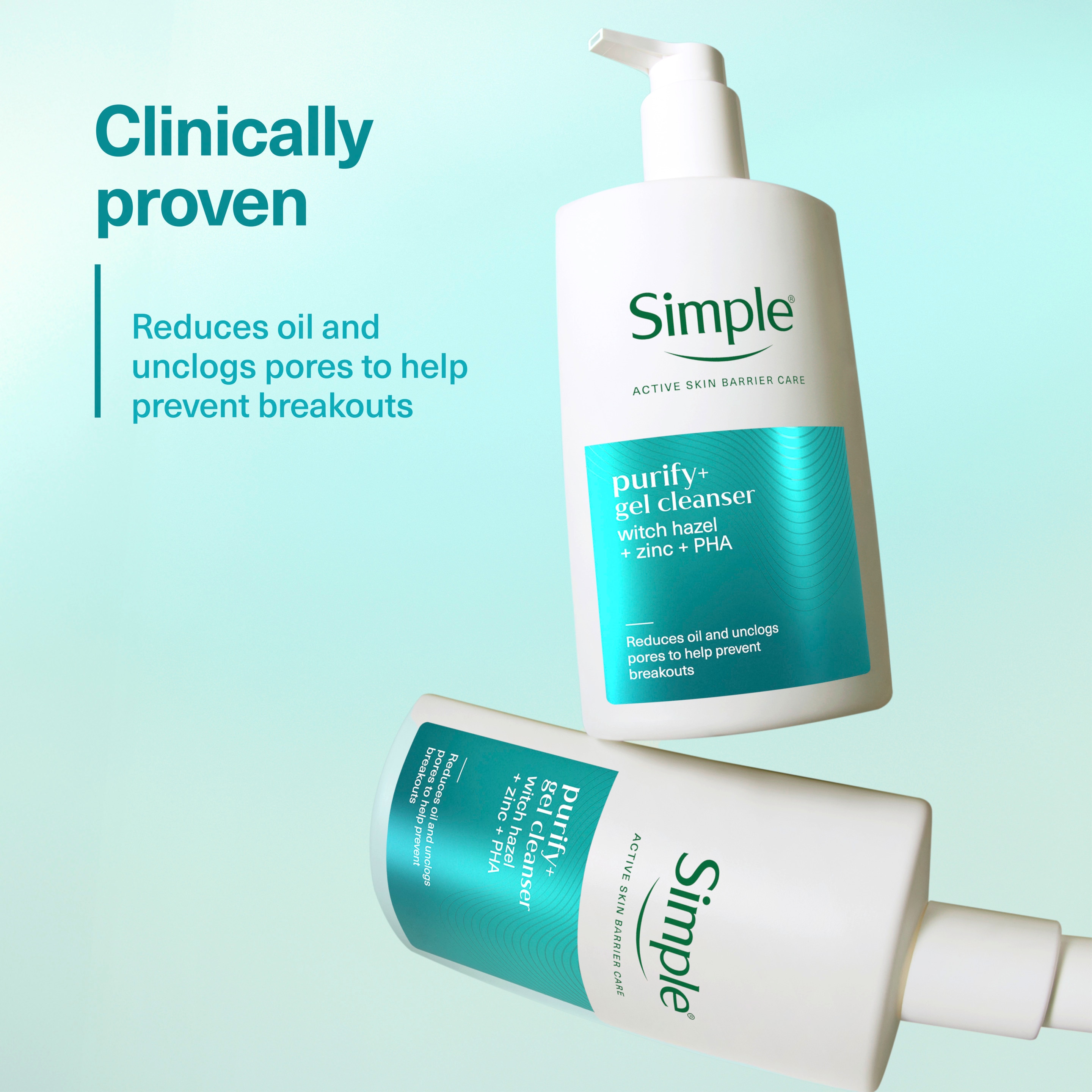
- Witch Hazel: This natural toner can be effective in balancing oily skin and helping to tighten the appearance of pores.
- Zinc: Known for its properties, Zinc can assist in regulating the activity of oil glands.
- Thyme: Contains Thymol, a natural antimicrobial component that can help protect your skin from environmental stressors.
The Ideal Active Ingredient for Oily Skin: Niacinamide
Beyond the key ingredients mentioned, Niacinamide, also known as Vitamin B3, is an active ingredient we highly recommend. This multi-benefit booster can significantly help regulate oil production. Furthermore, it supports the skin's barrier function, which is crucial in preventing your skin from drying out – a common trigger for increased oil production.
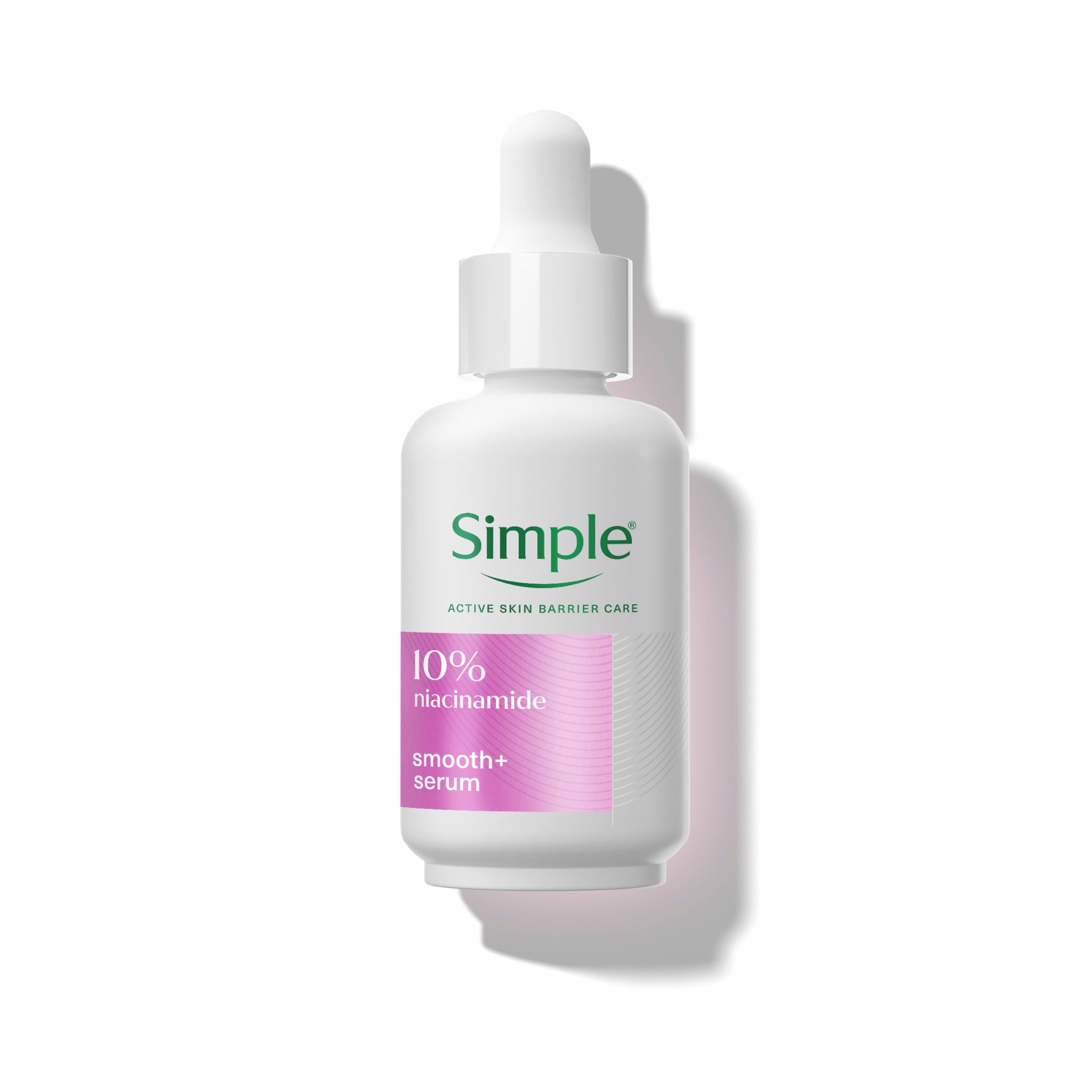
Like all our products, the 10% Vitamin B3 Niacinamide Serum is dermatologically tested, free from harsh chemicals, alcohol, mineral oils, color, and perfume. It's an excellent way to introduce Niacinamide into your routine if you're curious about its benefits.
For best results, use it twice a day. Remember that active ingredients like Niacinamide may take some time to show visible results, but we believe you'll appreciate the transformation once you experience it.
Developing the Best Skincare Routine for Oily Skin
An effective skincare routine for oily skin focuses on reducing excess oil and keeping pores clear, all while maintaining essential hydration levels. When skin becomes irritated or stripped of moisture, it can paradoxically increase oil production.
Therefore, while it might be tempting to skip face cream when your skin feels shiny, doing so can lead to a cycle of increased oiliness. Our recommended oily skin products and routine are designed to help you avoid this and achieve balanced skin.
Crafting Your Skincare Routine for Oily Skin
Embrace Your Balanced, Healthy-Looking Skin
We hope this guide has empowered you with the knowledge and tools to confidently manage your oily skin. By understanding its unique characteristics and adopting a consistent, gentle skincare routine, you can achieve a balanced, healthy-looking complexion. Remember, it's about working with your skin, not against it, to reveal its natural radiance. Continue exploring our skincare tips here and connect with us on social media for more insights and product news.
Frequently Asked Questions About Oily Skin
No, it's important to moisturize oily skin. When skin lacks hydration, it can actually produce more oil to compensate. Using a light, non-comedogenic moisturizer helps maintain your skin's natural balance without feeling heavy or greasy.
For oily skin, exfoliating two to three times a week is generally beneficial. This helps to gently remove dead skin cells and keep pores clear, which can reduce shine and prevent breakouts. Always choose a gentle exfoliant to avoid over-stripping your skin.
Oily skin can be influenced by several factors, including genetics, hormonal fluctuations, environmental conditions like humidity, and even the use of harsh skincare products that strip your skin. Understanding these triggers can help you tailor your skincare approach.
Yes, Niacinamide (Vitamin B3) is a beneficial ingredient for oily skin. It helps to regulate sebum production, minimize the appearance of pores, and support the skin's barrier function, contributing to a more balanced complexion over time.
Every skin type has its unique qualities. Oily skin often benefits from natural hydration, which can make fine lines less noticeable. The key is to find a routine that balances oil production and keeps your skin healthy and radiant, rather than comparing it to other skin types.
When choosing products for oily skin, look for ingredients like Witch Hazel, known for its toning properties, Zinc to help regulate oil glands, and Niacinamide for overall oil balance and skin barrier support. Avoid harsh chemicals that can irritate and strip your skin.
-
Explore More Skincare Tips

- Slide One