Skip to:

Understanding the Difference Between Dry and Dehydrated Skin
It's easy to confuse dry skin with dehydrated skin, but they're fundamentally different. Understanding these distinctions is crucial for effective skincare. Dry skin is a skin type characterized by a lack of natural oils, requiring lipids to support its protective barrier. In contrast, dehydrated skin is a temporary condition that can affect any skin type, including oily skin, and signifies a lack of water in the skin cells.
Recognizing whether your skin needs oil or water is the first step towards achieving a healthy, balanced complexion. Let's explore how to identify your skin's unique needs and discover the best ways to care for it.
The Simple Truth About Dry vs. Dehydrated Skin
Understanding the difference between dry skin (a skin type lacking oil) and dehydrated skin (a temporary condition lacking water) is key to effective care. Using the right products will help you replenish both, leading to a healthier, more comfortable complexion.
- Dry skin is a skin type that lacks natural oils and benefits from oil-based ingredients like ceramides to lock in moisture and support the skin barrier.
- Dehydrated skin is a temporary condition affecting all skin types, characterized by a lack of water, and needs water-attracting ingredients such as hyaluronic acid to restore hydration.
- The pinch test is a quick way to check for dehydration: if your skin is slow to bounce back, it likely needs more water.
- Tailored skincare routines are essential; dry skin routines focus on replenishing oils and strengthening the barrier, while dehydrated skin routines prioritize boosting water content without adding excess oil.
- Avoid harsh ingredients like alcohol, strong perfumes, and chemicals, as they can exacerbate both dryness and dehydration, compromising your skin's health.
What is Dry Skin?
Dry skin is a skin type characterized by a lack of natural oils, also known as sebum. Sebum is essential for maintaining your skin's moisture and protecting its delicate barrier. When your skin produces less sebum, it can feel rough, scaly, flaky, and sometimes itchy. Severe dryness can even compromise your skin barrier, making it more vulnerable to external aggressors.
What is Dehydrated Skin?
Dehydrated skin is a temporary skin condition, not a skin type, meaning it can affect anyone, regardless of whether their skin is oily, combination, or normal. It occurs when your skin lacks water, leading to a tight, dull appearance. Factors like hot weather, central heating, air conditioning, certain diets, and insufficient water intake can all contribute to skin dehydration.
Dry vs. Dehydrated Skin: How to Identify Your Needs
Both dry and dehydrated skin can leave your complexion feeling uncomfortable and tight, making it tricky to distinguish between the two. However, understanding the core difference—oil versus water—is vital for choosing the right care. Here’s a clear comparison to help you identify which one you might be experiencing:
| Dry Skin (Lacks Oil) | Dehydrated Skin (Lacks Water) |
|
|
Hydrating Dehydrated Skin
Since dehydrated skin is caused by a lack of water, the solution lies in attracting and retaining moisture within the skin. Incorporating specific water-attracting ingredients into your routine can significantly improve its condition, restoring a plump and healthy look.
Key Ingredients for Dehydrated Skin:
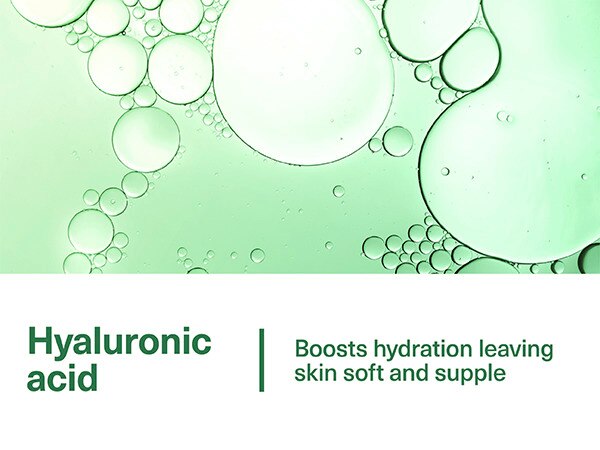
- Hyaluronic Acid: A powerful humectant that draws moisture from the air into your skin, increasing hydration and visibly plumping its appearance.
- Glycerine: Another effective humectant that helps to attract and retain essential moisture, keeping your skin feeling soft and supple.
- Aloe Vera: Known for its soothing properties, Aloe Vera also provides gentle hydration, helping to calm and rehydrate water-depleted cells.
How to Perform the Skin Dehydration Pinch Test
Caring for Dry Skin
Dry skin requires a different approach, focusing on replenishing lost natural oils and strengthening the skin's protective barrier to prevent further moisture loss. By incorporating specific oil-based ingredients, you can help restore comfort and resilience to your skin.
Key Ingredients for Dry Skin:
- Ceramides: These essential lipids fortify your skin barrier, helping to restore its natural structure and prevent moisture evaporation.
- Niacinamide (Vitamin B3): Known for its barrier-strengthening properties, Niacinamide improves skin suppleness and helps reduce trans-epidermal water loss.
- Vitamin B5 (Panthenol): This vitamin helps keep skin soft, smooth, and healthy by attracting and holding moisture, supporting overall skin hydration.
- Vitamin E: A powerful antioxidant, Vitamin E protects your skin from environmental damage while providing essential moisturization, enhancing its natural glow.
Your Essential Dehydrated Skincare Routine
Your Nourishing Dry Skincare Routine
Essential Skincare Tips for Both Dehydrated and Dry Skin
Whether your skin is dry or dehydrated, certain practices can significantly improve its health and comfort. Incorporating these tips into your daily routine will help maintain a balanced and resilient complexion:
- Gentle Exfoliation: Regularly and gently exfoliating helps remove dead skin cells, allowing your hydrating and moisturizing products to penetrate more effectively and work their magic.
- Stay Hydrated Internally: Don't underestimate the power of drinking enough water throughout the day. Adequate internal hydration can positively impact your skin's overall condition and appearance.
To prevent exacerbating dryness and irritation, it's equally important to avoid certain ingredients in your skincare products:
- Alcohol: Can strip your skin of its natural oils and moisture, leading to increased dryness and sensitivity.
- Colour & Perfume: These additives are common irritants that can trigger adverse reactions, especially in sensitive or compromised skin.
- Harsh Chemicals: Aggressive ingredients can disrupt your skin's delicate barrier, making it more prone to dryness, redness, and discomfort.
Achieve Your Best Skin: Understanding and Nurturing Your Complexion
Distinguishing between dry and dehydrated skin is the cornerstone of an effective skincare regimen. By understanding whether your skin needs more oil or more water, you can select targeted products and adopt practices that truly support its health. Embrace a routine that respects your skin's unique needs, and you'll be well on your way to a comfortable, radiant, and resilient complexion. Remember, consistent, gentle care is key to nurturing your skin back to its optimal state.
Frequently Asked Questions About Dry and Dehydrated Skin
Yes, absolutely! Oily skin can indeed be dehydrated. Dehydration refers to a lack of water, while oiliness relates to sebum production. Your skin might produce excess oil to compensate for a lack of water, leading to a tight yet greasy feeling. Focus on lightweight, water-based hydrators like hyaluronic acid to balance your skin.
You might notice improvements in dehydrated skin within a few days of consistent hydration. However, a full rehydration process typically takes 1-2 weeks with dedicated use of water-attracting ingredients and adequate water intake. Consistency is key for lasting results.
Dry skin can be worsened by harsh cleansers, hot showers, low humidity environments, and products containing alcohol or strong fragrances. These factors strip away natural oils and compromise the skin barrier. Cold weather and central heating also contribute to increased dryness.
The pinch test is a helpful, quick indicator for skin dehydration. If your skin takes a moment to return to normal after a gentle pinch, it suggests a lack of water. While useful, it's best combined with observing other signs like dullness, tightness, and the appearance of fine lines for a more comprehensive assessment.
No, you should never skip moisturiser, even with oily and dehydrated skin. Your skin might be overproducing oil to compensate for a lack of water. Opt for lightweight, non-comedogenic gel moisturisers with hydrating ingredients like hyaluronic acid to provide essential moisture without adding excess oil, helping to balance your skin over time.
Absolutely. Lifestyle choices significantly affect your skin's hydration and dryness. Factors like insufficient water intake, excessive caffeine or alcohol consumption, prolonged sun exposure, and even stress can contribute to dehydration. A balanced diet rich in essential fatty acids can also support your skin's natural oil production and barrier function.
-
Explore More Skincare Insights


- Slide One