Skip to:

How to Balance an Uneven Skin Tone
Achieving a perfectly uniform skin tone is often seen as a beauty ideal, but the truth is, variations like dark spots, redness, and occasional breakouts are a normal part of having skin. These natural fluctuations can sometimes make your skin appear uneven. We understand that for some, this can be more noticeable, and you might be looking for ways to achieve a more balanced complexion. This guide will explore what an uneven skin tone looks like, its common causes, and practical steps you can take to manage it, empowering you to feel more confident in your skin.
Key Takeaways:
- What It Is: Uneven skin tone includes redness, hyperpigmentation, blemishes, and texture issues like dry patches—all normal variations that affect every skin type differently.
- Main Causes: UV exposure creates sunspots and discoloration, while hormonal conditions, pollution, skin injuries, and inflammatory conditions like eczema or rosacea contribute to uneven appearance.
- Daily Protection: Wear SPF 30+ sunscreen every day to prevent UV damage. Simple's moisturizers with SPF make daily protection easy without extra steps.
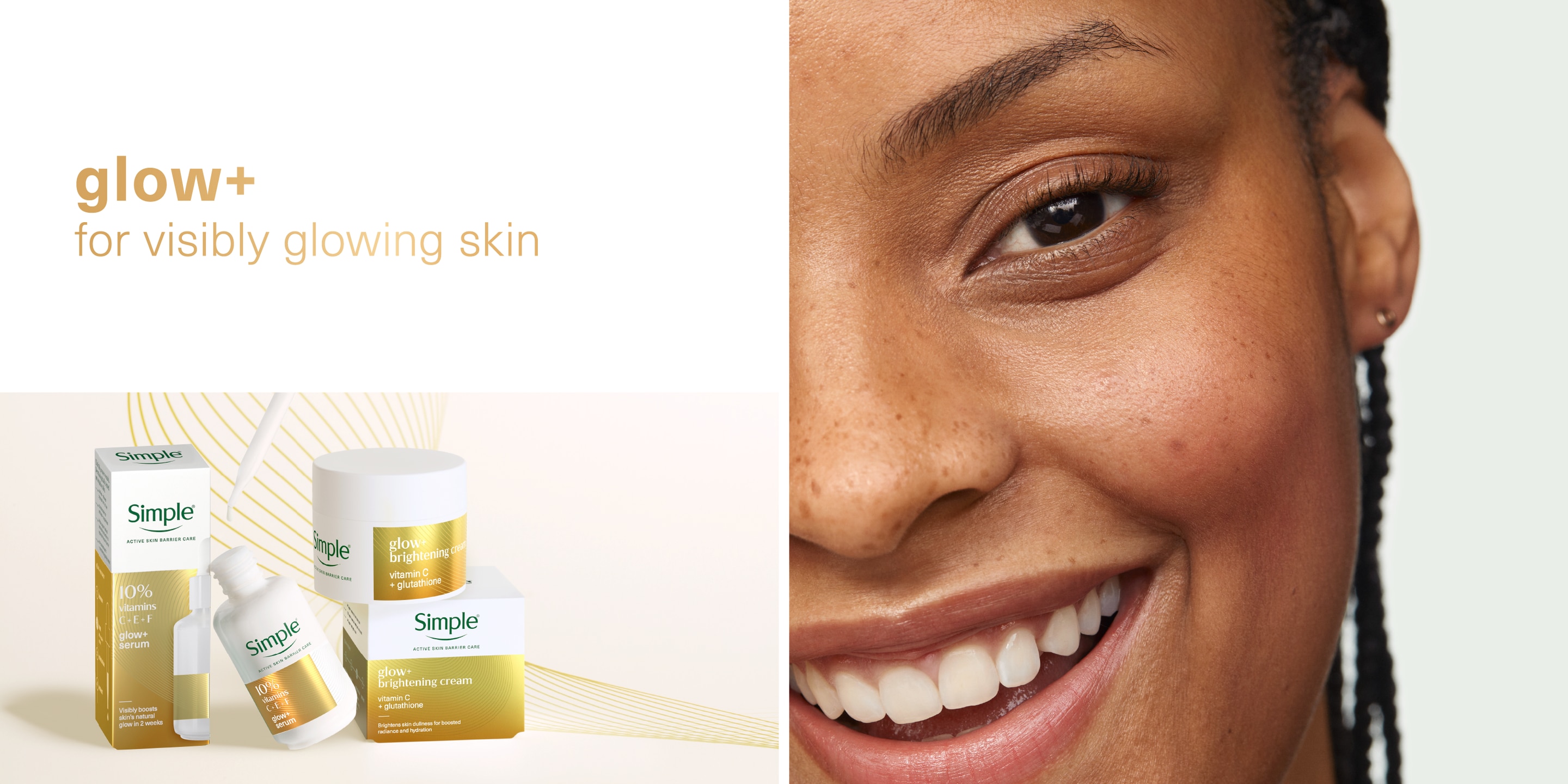
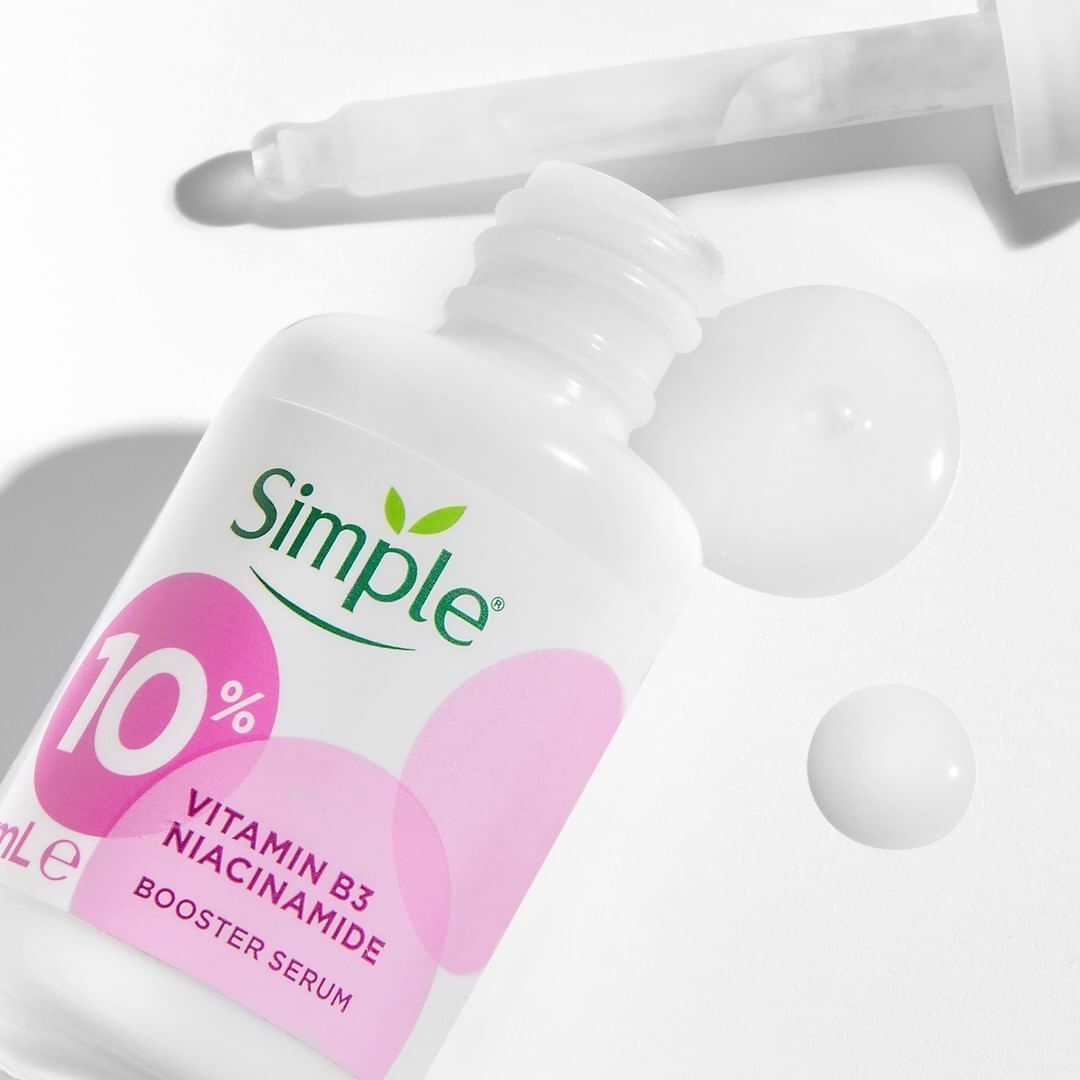
- Active Ingredients: Vitamin C lightens dark spots, Niacinamide improves texture and tone, and Lactic Acid gently exfoliates. Use targeted serums like Simple's 10% Vitamin C+E+F or 10% Niacinamide boosters for visible results over time.
- Skincare Routine: Cleanse daily to remove pollution buildup, exfoliate 2-3 times weekly with gentle formulas, moisturize to smooth texture, and choose products matched to your skin type for best results.
Understanding Uneven Skin Tone: Causes and Signs
Many people wonder what exactly constitutes an uneven skin tone. It's a broad term that describes skin that doesn't appear uniform in color or texture. This can manifest in various ways, and understanding these signs is the first step towards a more balanced complexion. Common indicators include:
- Redness or blotchy skin
- Hyperpigmentation, including dark spots or sunspots
- Fine lines or textural irregularities
- Blemishes or post-acne marks
It's important to remember that any skin type can experience an uneven skin tone, and its appearance can naturally fluctuate. The key is to identify the underlying causes to effectively address them.
What Causes an Uneven Skin Tone?
The reasons behind an uneven skin tone are diverse, and pinpointing them can help you choose the most suitable approach for your skin. Some of the primary factors include:
Sun Exposure: Overexposure to UV rays is a significant contributor to skin damage and unevenness. While UVB rays can cause immediate sunburn, UVA rays can gradually lead to dark spots or sunspots. This happens as the skin produces excess melanin to protect itself, resulting in areas of discoloration.
Hormonal Conditions: Hormonal shifts or conditions like melasma can lead to the development of dark patches on the skin. These types of hyperpigmentation often require a different approach compared to sun-induced spots.
Skin Conditions: Inflammatory skin conditions such as eczema or rosacea can significantly affect your skin's overall tone and texture, leading to redness and irritation. For persistent skin conditions, consulting a healthcare professional or dermatologist for personalized advice is always a good idea.
Achieving a More Balanced Skin Tone: Your Step-by-Step Guide

Pollution: Environmental pollutants can contribute to skin discoloration and a dull complexion. If you've recently moved to an urban environment, you might notice these changes more readily.
Skin Injuries: Sometimes, your skin's natural response to injury or irritation is to produce extra melanin, leading to a condition known as post-inflammatory hyperpigmentation. This can be triggered by various factors, including:
- Acne breakouts
- Eczema flare-ups
- Insect bites
- Minor cuts
- Burns
- Skin infections
Understanding these potential causes is a valuable step in addressing and managing an uneven skin tone effectively.
Embracing Your Skin's Journey to Balance
We've explored what an uneven skin tone means and various approaches to help create more balance. It's important to remember that everyone's skin is unique, and embracing its natural variations is a beautiful part of who you are. If working towards a more even-looking skin tone helps you feel more confident and comfortable, we are here to support you on that journey. Remember that achieving visible results often takes time and consistent care, and that's perfectly fine. Trust the process, be patient with your skin, and always be kind to yourself. The suggestions shared here are all about nurturing your skin to be its healthiest and happiest, finding that perfect balance that works for you.
Frequently Asked Questions About Uneven Skin Tone
Most people see noticeable improvements in 8-12 weeks with consistent use of vitamin C serums, niacinamide, and daily SPF protection. Dark spots from sun damage may take 3-6 months to fade significantly. Results vary based on skin type, the severity of discoloration, and product consistency.
Yes, you can safely use vitamin C and niacinamide together in your routine. Apply vitamin C serum in the morning under SPF moisturizer, then use niacinamide serum in the evening. This combination targets dark spots while strengthening your skin barrier for more even tone over time.
SPF 15-30 provides adequate daily protection against UV rays that cause sunspots and hyperpigmentation. Apply moisturizer with SPF every morning, even on cloudy days. For extended sun exposure, use broad-spectrum SPF 30+ sunscreen and reapply every 2 hours to prevent new discoloration from forming.
Yes, gentle exfoliation 2-3 times weekly removes dead skin cells that make skin look dull and uneven. Lactic acid cleansers dissolve buildup without irritation, revealing fresher skin underneath. Avoid over-exfoliating as this damages your skin barrier and can worsen redness or discoloration instead of improving it.
Redness comes from inflammation caused by conditions like rosacea, eczema, or an irritated skin barrier. Pollution exposure, harsh products, and sun damage also trigger blotchy redness. Use gentle cleansers for sensitive skin, avoid hot water, and apply niacinamide to calm inflammation and strengthen your barrier over time.
Tinted moisturizers and color-correcting concealers provide immediate coverage for uneven areas. Green-tinted products neutralize redness, while peach tones counteract dark circles. These makeup solutions offer quick fixes for special occasions, but consistent skincare with vitamin C, SPF, and gentle exfoliation creates lasting improvements in skin tone.
-
Explore More Skincare Insights


- Slide One