Skip to:

How to Revive a Dehydrated Face
If your skin hasn’t been feeling its best lately, you might be experiencing a dehydrated face. We understand how frustrating it can be when your skin feels parched and uncomfortable. We're here to help you explore the potential causes behind this common concern and guide you on how to effectively rehydrate and restore your skin's natural balance. Let's discover how to bring back that healthy, hydrated glow!
Signs to look out for and what’s behind them
What are some signs you have a dehydrated face?
Everyone's skin is unique, but some common symptoms of a dehydrated face include feelings of dryness, tightness, or flakiness. Beyond these obvious signs, you might also notice more subtle indicators like skin that appears a little dull, or if you have more mature skin, fine lines might seem more pronounced than usual. Recognizing these signs is the first step towards achieving better facial hydration.
Some key signs of a dehydrated face:
- Skin that feels rough, dry, or itchy
- Skin that looks dull or flaky
- The increased appearance of fine lines and wrinkles
What causes a dehydrated face?
It's important to distinguish between having a naturally sensitive or dry skin type and experiencing dehydrated skin. While the symptoms can be similar, dehydrated skin is a temporary condition that any skin type can experience. Even if your skin is typically normal or oily, you could find it becoming dehydrated at different points in your life, depending on your lifestyle and environment. We're here to help you understand what might be contributing to your skin's thirst.
Here’s a few things that can lead to ultra-thirsty skin:
Key Takeaways for a Hydrated Face
- Recognize Dehydration: Look for signs like dryness, tightness, flakiness, a dull complexion, and increased visibility of fine lines. Remember, dehydrated skin is a temporary condition that can affect all skin types, including oily skin, unlike naturally dry skin.
- Identify Common Causes: Environmental factors such as seasonal weather changes, air conditioning, heating, hot showers, and sun exposure can compromise your skin's moisture barrier. Using harsh skincare ingredients or over-exfoliating can also contribute to a dehydrated face.
- Gentle Cleansing is Key: Opt for lukewarm water when cleansing your face, as hot water can strip natural oils. Consider performing your cleansing routine at the sink with a face-friendly temperature to protect delicate facial skin.
- Embrace Hydrating Ingredients: Choose gentle cleansers free from harsh alcohols or acids. Incorporate a Hyaluronic Acid serum into your routine to effectively draw moisture into your skin. Look for products formulated without perfume, color, or irritating chemicals, especially if you have sensitive skin.
- Adapt Your Routine: Your skin's needs can change with the seasons. Products that worked well in spring might be too drying in autumn. Adjust your skincare routine accordingly and reduce exfoliation frequency if you notice flakiness to prevent further irritation and barrier damage.

Seasonal Switches
Sometimes, a change in weather is all it takes for your skin to suddenly feel dehydrated. Your skin has a vital moisture barrier, and when it's compromised, it can lead to transepidermal water loss. This is when water passes through your skin and evaporates into the air, leaving your face feeling dry and tight. Exposure to harsh weather conditions like cold, wind, or low humidity can all strip essential moisture from your skin, contributing to dehydration.
Air Conditioning and Heating
Just as seasonal changes can impact your skin's hydration, so can indoor environments. Both air conditioning and heating systems reduce moisture in the air. If your skin barrier isn't functioning optimally, these conditions can further aggravate a dehydrated face. We understand it's not always possible to avoid these environments, especially in an office setting or during long journeys. Investing in effective hydrating products can help protect your skin from feeling stressed and parched.
Hot Showers
While a warm shower can be comforting, very hot water can actually impact your skin, both on your body and your face. We encourage you to try turning the dial down just a little. The delicate skin on your face is particularly sensitive, so it's beneficial to perform your cleansing and exfoliating routine separately at the sink. This allows you to use a more face-friendly, lukewarm temperature that is less likely to strip your skin of its natural, protective oils, promoting better facial hydration.

Sun Exposure
Prolonged exposure to UV radiation can damage your skin's essential barrier function, which can lead to increased water loss and a dehydrated face. Protecting your skin from the sun is a crucial step in maintaining healthy facial hydration.
Natural Aging Process
As we gracefully age and our hormones naturally shift, our skin's ability to retain moisture can gradually decrease. This can lead to a higher risk of experiencing dehydration. Understanding these natural changes helps us support our skin effectively.
Using Unsuitable Skincare Products
Sometimes, the skincare products your skin loved in one season might become too drying as the weather changes. Adjusting your routine seasonally can make a real difference in maintaining facial hydration. Products containing harsh ingredients like certain alcohols or strong acids can strip your skin of vital moisture, leading to dehydration. If you've noticed increased dryness since introducing a new cleanser, toner, or other product, it might be a sign that those ingredients aren't the best fit for your skin's current needs. While it can be tempting to use scrubs or acids more frequently when flakes appear, over-exfoliating can actually damage your skin barrier, making a dehydrated face feel even more irritated. We encourage you to consider reducing exfoliation or switching to a gentler formula if this sounds familiar.
How to Hydrate Your Face Again
Now that you've explored the signs and potential causes, you might be wondering if you have a dehydrated face. If so, we're here to support you! We've gathered some effective strategies and product recommendations to help quench your skin's thirst and restore its vitality.
Your Step-by-Step Guide to Facial Hydration
Discover Skincare Products for Optimal Facial Hydration
If you suspect your current skincare routine might be contributing to a dehydrated face, it could be time to explore new options. We encourage you to look for formulas enriched with replenishing ingredients and free from harsh chemicals that can irritate your skin.
The entire Simple® range is thoughtfully formulated with sensitive skin in mind. This means our products are free from perfume, artificial colors, and ingredients that could potentially irritate dehydrated skin, making them a gentle choice for restoring facial hydration.
Consider starting with a gentler cleanser that respects your skin's natural oils, preventing further dryness and irritation. Our Simple Hydrate+ Micellar Facial Gel Wash is a wonderful option, featuring 9% hydration-powered Micelles that effectively remove impurities while drenching your skin in hydrating actives.
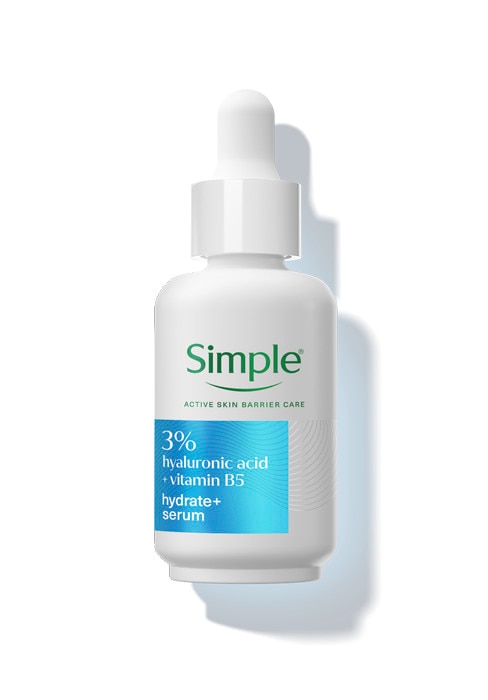
While occasional exfoliation can help maintain radiant skin, it's important not to overdo it, especially when your skin is dehydrated. Once your skin feels fresh and clean, focus on products designed to replenish and retain moisture. Incorporating a Hyaluronic Acid serum into your routine is an excellent way to supercharge your skin's hydration. This remarkable active ingredient has the ability to draw moisture to the skin, helping it feel plump and hydrated throughout the day.
To complete your routine for a hydrated face, Simple Hydrate+ Gel Cream Moisturiser provides a perfect finish. It works to restore lost nutrients and maintain moisture for up to 100 hours, supporting your skin's journey back to comfort and vitality.
Embrace Your Journey to a Hydrated Face
Understanding the signs and causes of a dehydrated face is the first step towards achieving healthy, comfortable skin. By making thoughtful adjustments to your skincare routine and being mindful of environmental factors, you can effectively restore your skin's natural moisture balance. We believe in empowering you with the knowledge and gentle solutions to nurture your skin back to its best. You've got this – embrace the journey to a beautifully hydrated and happy complexion!
Frequently Asked Questions About Facial Hydration
Yes, absolutely! Oily skin can indeed be dehydrated. Dehydration is a temporary condition where your skin lacks water, and it can affect all skin types, not just dry skin. Even if your skin produces excess oil, it can still be lacking in water within its moisture barrier, which can lead to feelings of tightness and a dull appearance alongside oiliness. It's about water content, not oil production.
You might start noticing initial improvements in your skin's hydration within 2-3 days as your moisture barrier begins to repair. For full rehydration, consistent use of hydrating products and mindful skincare practices typically takes about 1-2 weeks. For the best results, we recommend using gentle cleansers, Hyaluronic Acid serums, and moisturizers daily, while also being mindful to avoid very hot water and harsh ingredients.
Lukewarm water is truly the best choice for a dehydrated face. Hot water can strip your skin's natural oils and compromise its delicate barrier, which can worsen dehydration. We suggest cleansing your face separately at the sink using lukewarm water rather than hot shower water. This gentle approach helps protect your facial skin and supports its hydration.
When your skin is dehydrated, it's generally best to reduce the frequency of exfoliation to prevent further barrier damage and irritation. While occasional gentle exfoliation can help maintain radiance, over-exfoliating can strip essential moisture. We recommend waiting until your moisture barrier has recovered before resuming exfoliation, and then opting for a less harsh formula once or twice weekly at most.
Hyaluronic Acid is an exceptionally effective ingredient for dehydrated skin, known for its ability to draw and hold moisture, helping your skin feel plump and hydrated. We also recommend looking for gentle cleansers that are free from harsh alcohols or acids. Choosing products formulated without perfume, artificial colors, or irritating chemicals can further support your skin's moisture barrier and overall facial hydration.
No, dehydrated skin and dry skin are distinct conditions. Dry skin is a permanent skin type that naturally lacks oils, whereas dehydrated skin is a temporary condition where your skin lacks water. Any skin type, including oily skin, can experience dehydration due to factors like lifestyle, environment, and seasonal changes. Understanding this difference is key to providing your skin with the right care.
-
Related Articles


- Slide One