Skip to:


How to Choose the Best Moisturiser with SPF for Your Skin
Integrating a daily moisturiser with SPF is one of the simplest yet most effective ways to help protect your skin from the sun's everyday effects. This essential step combines hydration with crucial sun protection, making it a cornerstone of a healthy skincare routine.
Are you wondering why a moisturiser with SPF is so important and what key factors you should consider when adding one to your regimen? We're here to address your most common questions and guide you through selecting the ideal broad-spectrum formula for your unique skin needs.
Why should I use an SPF moisturiser every day?
Everyone's skin needs are unique, and lifestyles vary, but the sun's UV rays are a constant presence – even on cloudy days. The damage caused by ultraviolet light isn't always immediately visible, making consistent protection vital. Using a daily moisturiser with SPF offers peace of mind, knowing you're helping to defend your skin against these rays while providing the essential hydration it needs to thrive.
Key Takeaways for Choosing Your SPF Moisturiser
- Daily Protection is Essential: UV rays are present every day, regardless of weather. A daily SPF moisturiser protects against both UVA (ageing) and UVB (burning) rays while keeping your skin hydrated.
- Broad-Spectrum is Key: Always choose a moisturiser that offers broad-spectrum protection to defend against both types of harmful UV radiation.
- Match to Your Skin Type: Select formulas tailored to your skin – lighter textures for oily skin, richer for dry skin, and gentle, non-comedogenic options for sensitive skin.
- Incorporate into Your Routine: Apply SPF moisturiser as the final step in your morning skincare. Remember to reapply when outdoors and use a non-SPF moisturiser at night.
- Consider SPF Level: SPF 15-30 is generally recommended for daily use, with higher SPF for extended sun exposure. Understand how SPF factors extend your natural burn time.
Your Step-by-Step Guide to Choosing the Best SPF Moisturiser
The Truth About Daily Sun Exposure
Our skin is constantly exposed to UV rays, whether the sun is shining brightly or not. Incorporating one of our day creams with added SPF into your routine provides essential daily protection, helping to safeguard your skin's health.
How does the sun impact my skin over time?
While a small amount of sun exposure is beneficial for our wellbeing and vital vitamin D levels, excessive time without adequate sun protection can lead to various forms of sun damage. This includes visible signs of premature ageing, such as fine lines and wrinkles. Consistent daily protection is therefore crucial to help mitigate these effects over time and maintain youthful-looking skin.
What types of UV rays are there and how do they differ?
Sunlight is composed of different types of UV rays. The two primary types that can significantly affect your skin are ultraviolet A rays (UVA) and ultraviolet B rays (UVB). A simple way to remember their impact is that UVA rays are largely associated with ageing, while UVB rays are the main cause of burning.
UVA rays: The silent agers
UVA rays penetrate more deeply into the skin's layers, causing more lasting and cumulative damage over time. Unlike UVB rays, they typically don't cause immediate discomfort or visible signs, meaning we are often unaware of their presence until their effects manifest later in life.
UVB rays: The burning culprits
If you've ever experienced a sunburn, then you're familiar with the effects of UVB rays. These rays have a shorter wavelength and are responsible for the type of sun damage we see and feel almost immediately. The SPF factor of a sunscreen indicates how many times your natural skin protection factor it takes for your skin to burn. For example, if your skin normally burns in ten minutes without sunscreen, an SPF 15 formula could help protect you for up to 150 minutes.
However, factors like exercising, sweating, being in water, or even accidentally rubbing your face can reduce the effectiveness and duration of protection. This is why it's always wise to reapply your SPF more frequently than you might initially think.
Each of these ultraviolet rays can cause damage in distinct ways, highlighting the equal importance of protecting your skin from both types.
| UVA rays |
UVB rays |
|
|

Do I need to use an SPF moisturiser every day?
Given that the sun's rays are always present, even when we don't feel their warmth, it's a smart practice to incorporate a moisturiser enriched with SPF into your morning routine. Think of it as laying the essential protective foundation for your skin for the entire day. If you plan to spend time outdoors, remember to reapply your sun protection regularly to maintain its effectiveness.
Regarding its placement in your skincare routine, your SPF face moisturiser is exclusively for daytime use. Your evening routine, on the other hand, is the perfect opportunity to double cleanse, preparing your skin for a non-SPF moisturiser that allows it to breathe and rejuvenate overnight.
Did you know?
You should only be using a moisturiser with SPF during the day. Cleanse well and use a non-SPF moisturiser at night to give your pores a break.
Finding the Right SPF Moisturiser Formula for You
How do I choose the best moisturiser with SPF for my skin?
No matter your skin type, ensuring broad-spectrum protection is paramount. Beyond that, the choice comes down to your personal preferences for texture, the level of hydration your skin requires, and any additional beauty benefits you wish to include in your daily routine.
Which SPF moisturiser should I choose and how should I use it within my routine?
Regardless of the SPF moisturiser you select, it's always best to apply it as the final step in your morning skincare regimen. Remember to use it only during the day, allowing your skin a break with a non-SPF moisturiser as you sleep.
Here are a few of our top SPF moisturiser recommendations to help you choose:
The ideal choice for combination or oily skin
Kind to Skin™ Protecting Light Moisturiser with SPF 15 (also available in a handy travel-sized pouch) is perfect for a light, non-greasy feel.
The nourishing option for dry or dehydrated skin
Regeneration Age Resisting Cream SPF 15 provides rich hydration while offering sun protection.
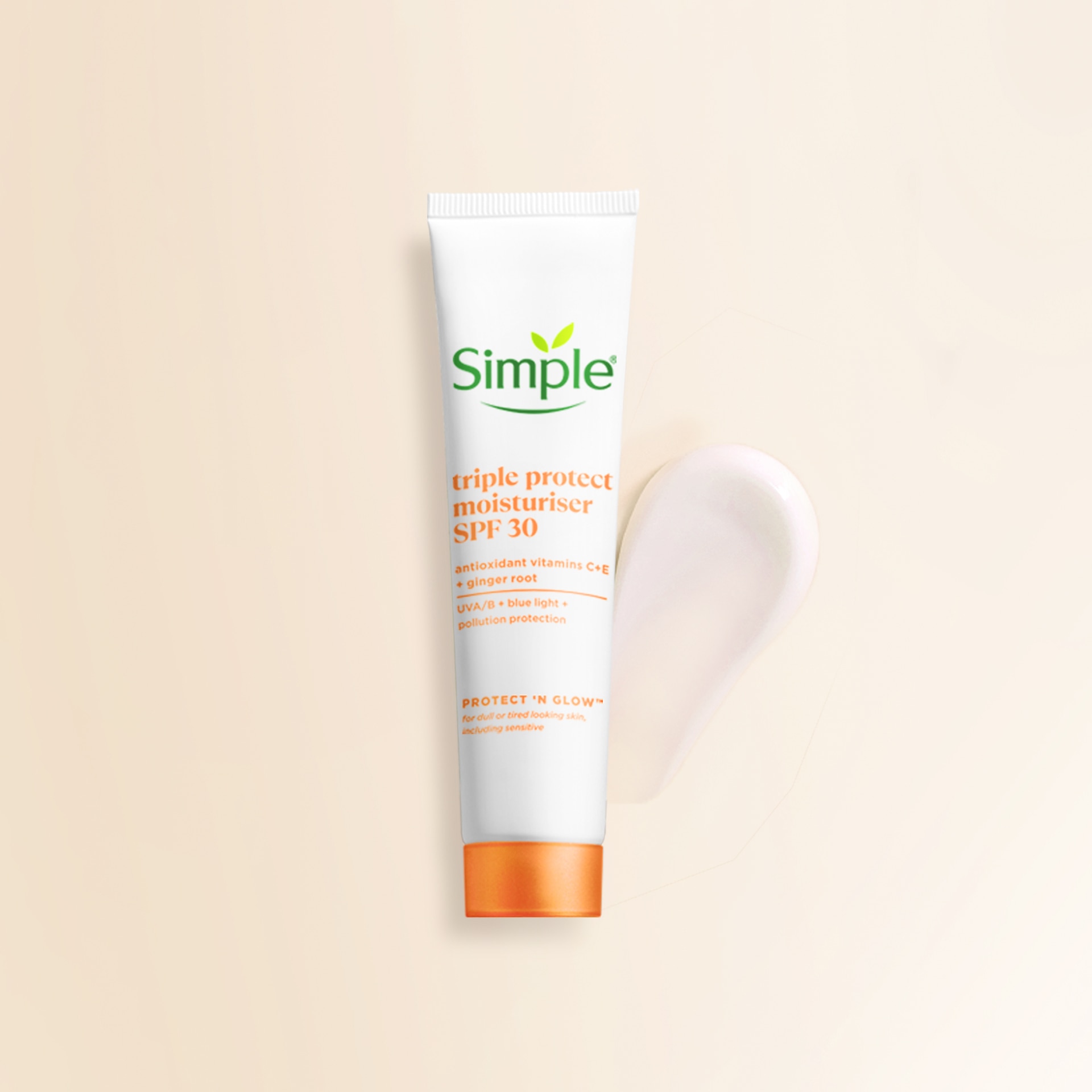
The multi-benefit choice for normal or dry skin
Protect 'N' Glow™ Triple Protect Moisturiser SPF 30 not only offers robust sun protection but also enhances radiance, and provides defence against blue light and pollution.
What key features should I be looking for in an SPF moisturiser?
- Broad-spectrum protection: Essential for defending against both UVA and UVB rays.
- Appropriate texture: A light, refreshing texture is ideal for more oily skin types, while a richer formula provides better comfort for dry skin.
- Added benefits: Consider formulations with extra advantages tailored to your skin's needs, such as radiance-boosting properties or firming ingredients.
Can I use a moisturiser with sun protection if I have sensitive skin?
Sensitive skin requires just as much, if not more, protection than other skin types. Finding a way to incorporate SPF into your routine without causing irritation is paramount. This is precisely why our Simple® SPF moisturisers are meticulously created and tested with sensitive skin in mind.
Like all Simple® products, our SPF moisturisers are free from harsh chemicals, perfume, and colour, and are dermatologically tested to ensure gentleness. Furthermore, all our moisturisers with SPF are non-comedogenic, meaning they are formulated not to block your pores.
Remember, it's always recommended to perform a patch test with any new product you're trying, just to be safe and ensure your skin reacts well.
Embrace Daily Sun Protection with Confidence
Choosing the right moisturiser with SPF is a simple yet powerful step towards maintaining healthy, protected skin every day. By understanding your skin's unique needs, recognising the impact of different UV rays, and selecting a broad-spectrum formula, you can confidently defend against sun damage and premature ageing. Integrate this essential product into your morning routine, and empower your skin with the care it deserves, ensuring it stays hydrated and radiant.
Frequently Asked Questions About SPF Moisturisers
For everyday use, an SPF of 15 to 30 is generally recommended. SPF 15 blocks approximately 93% of UVB rays, while SPF 30 blocks about 97%. If you spend more time outdoors or have very fair skin, opting for SPF 30 can provide enhanced protection.
No, it's important to use SPF moisturiser every day, even when it's cloudy. UV rays can penetrate clouds and are present year-round. UVA rays, in particular, can reach your skin through windows and overcast skies, contributing to long-term damage and premature ageing.
No, SPF moisturisers are designed for daytime use only. Your evening routine is the ideal time to cleanse your skin thoroughly and apply a non-SPF moisturiser. This allows your skin to breathe and focus on its natural repair processes without the added sun filters.
Broad-spectrum protection means your moisturiser defends against both UVA rays (which contribute to skin ageing and deep damage) and UVB rays (which cause sunburn). Choosing a broad-spectrum formula ensures comprehensive protection from both types of harmful ultraviolet radiation.
For daily indoor activities, one morning application is usually sufficient. However, if you are outdoors, exercising, sweating, or swimming, you should reapply your SPF moisturiser every two hours, or more frequently if needed, to maintain effective protection.
For typical daily exposure, an SPF moisturiser can provide adequate protection. However, for extended periods in direct sunlight, intense outdoor activities, or beach days, it's advisable to use a dedicated broad-spectrum sunscreen in addition to or instead of your SPF moisturiser for maximum defence.
-
Explore Related Skincare Articles
-
Discover More Skincare Insights
-
Featured Skincare Guides







- Slide One
- Slide Two
- Slide Three