Skip to:


Winter Maskne Skincare Tips: Reclaim Your Hydrated Skin
Experiencing maskne in winter? We understand it can be frustrating. While maskne became a common concern in warmer months, winter brings its own unique challenges. The combination of cold, dry air and constant friction from face coverings can leave your skin feeling sensitive, irritated, and prone to breakouts. But don't worry, we're here to help you navigate winter maskne and achieve healthy, hydrated skin. Let's explore effective winter skincare tips to prevent mask acne and boost your skin's natural glow!
Understanding Winter Maskne vs. Summer Maskne
You might think maskne is a summer-only issue, but winter maskne is a distinct concern. Maskne, or mask acne, refers to blemishes and irritation caused by wearing a face mask. In summer, it often results from trapped sweat, dirt, and warm air creating a breeding ground for bacteria and clogged pores. However, winter maskne has a different dynamic.
During colder months, dry winter air can strip your skin of essential moisture, leading to dehydration, tightness, and redness. When your face covering chafes against this already delicate, dehydrated skin, it can inflame hair follicles, allowing blemish-causing bacteria to enter. This often presents as folliculitis, which might look like pimples but is an inflammation rather than just clogged pores. The good news is, with the right winter skincare routine, you can effectively manage and prevent these cold weather skin breakouts. We've got supportive tips to help you beat maskne this winter!
Key Takeaways for Winter Maskne Care:
- Winter Maskne Dynamics: Understand that cold, dry air combined with face mask friction can lead to folliculitis, an inflammation of hair follicles, rather than just typical clogged pores. Dehydrated skin is more susceptible to mask chafing and breakouts.
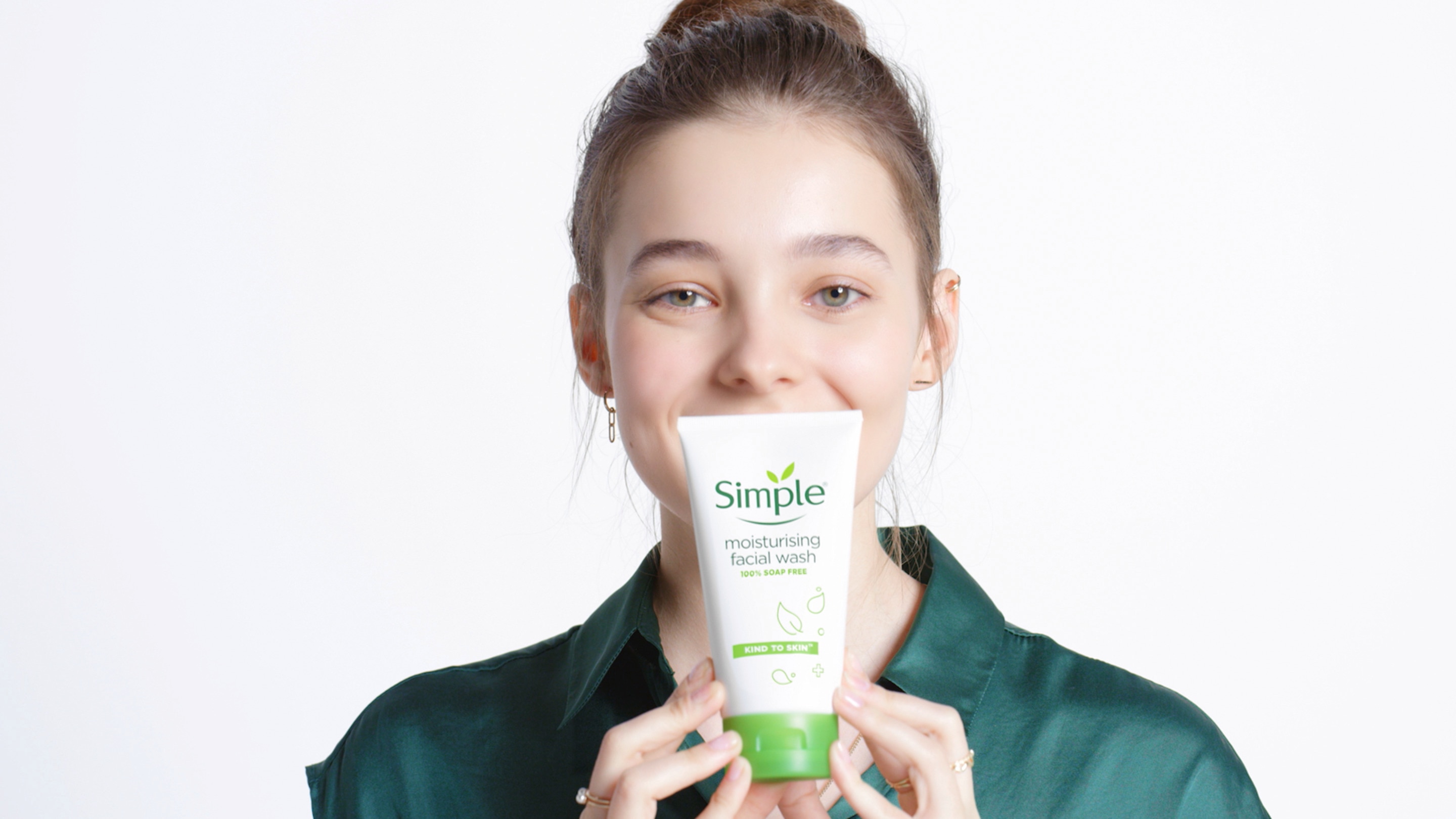
- Double Cleansing is Key: Start your routine with micellar water, then follow with a gentle, moisturizing facial wash both morning and evening. This ensures your combination skin stays clean without feeling stripped, preventing bacteria buildup under your mask.
- Zone-Specific Hydration: Your combination skin has unique needs in winter. Apply a lighter hydrating gel cream to oilier areas and a richer moisturizer to drier zones. This tailored approach helps maintain balanced, comfortable skin.
- Boost Skin Hydration: Opt for tepid showers to protect your skin's moisture barrier. Incorporate hydrating sheet masks and boosters before your moisturizer for an extra surge of hydration, helping your skin glow even in dry conditions.
- Daily Mask Hygiene: Make it a habit to wash or replace your face covering after every use. This simple step is crucial for preventing bacteria buildup, which can cause winter maskne regardless of the temperature. Remember to avoid touching your face to prevent further irritation.
Targeted Winter Maskne Tips for Combination Skin
If you have combination skin, winter maskne can be particularly challenging. Your skin might feel oily in some areas and dry in others, making it tricky to find the right balance. We're here to help you achieve balanced, moisturized skin with these tailored winter skincare tips for combination skin. You've got this!
How to Prevent and Treat Winter Maskne Effectively

Embrace a Clearer Winter with Simple Skincare
Understanding the differences between winter maskne and summer maskne empowers you to tackle breakouts and irritations effectively. By implementing these simple yet impactful winter skincare tips and adjusting your routine, you can confidently manage mask acne. We believe in empowering you to achieve ultra-glowy, hydrated skin, even during the colder months. Say goodbye to winter maskne and hello to a radiant complexion!
Frequently Asked Questions About Winter Maskne
With a consistent and appropriate skincare routine, winter maskne typically shows improvement within 1-2 weeks. Because it's often folliculitis (inflammation) rather than just clogged pores, it can respond well to gentle cleansing, targeted hydration, and daily mask hygiene. Regular washing of your face mask and moisturizing can significantly accelerate the healing process.
Generally, no. Winter maskne often requires a more hydration-focused approach due to dry air, benefiting from richer moisturizers and hydrating sheet masks. Summer maskne, conversely, usually calls for lighter formulas and oil-controlling products. Adjusting your skincare to the season's specific needs will yield better results for your skin.
It's best to moisturize your skin before putting on your face mask. This creates a protective barrier that helps reduce friction and irritation. Apply your chosen moisturizer to clean skin and allow it to absorb fully for a few minutes. If your skin feels dry or chafed after removing your mask, a light reapplication with clean hands can be beneficial.
Soft, breathable cotton masks are often recommended as they tend to cause less friction on dry winter skin and allow for better air circulation. Compared to synthetic materials, cotton can reduce irritation and the likelihood of folliculitis. Always ensure your cotton mask is clean and avoid those with rough seams that could rub against your skin.
Yes, winter maskne often presents as folliculitis, which is an inflammation of hair follicles caused by friction on dry skin, rather than the typical clogged pores associated with regular acne. While it can look similar to pimples, folliculitis responds more effectively to gentle cleansing and hydration, whereas harsh acne treatments might worsen the dryness and irritation.
-
Explore More Skincare Tips
-
Discover Related Skincare Insights
-
More Skincare Advice for You







- Slide One
- Slide Two
- Slide Three